On this page
If MACH sounds technical and abstract, this guide explains it in plain language without assuming prior architecture knowledge.
MACH stands for Microservices, API-first, Cloud-native, and Headless. Think of it as a way to organize software so each part can change at its own pace, instead of forcing every team into one large release cycle.
A simple mental model
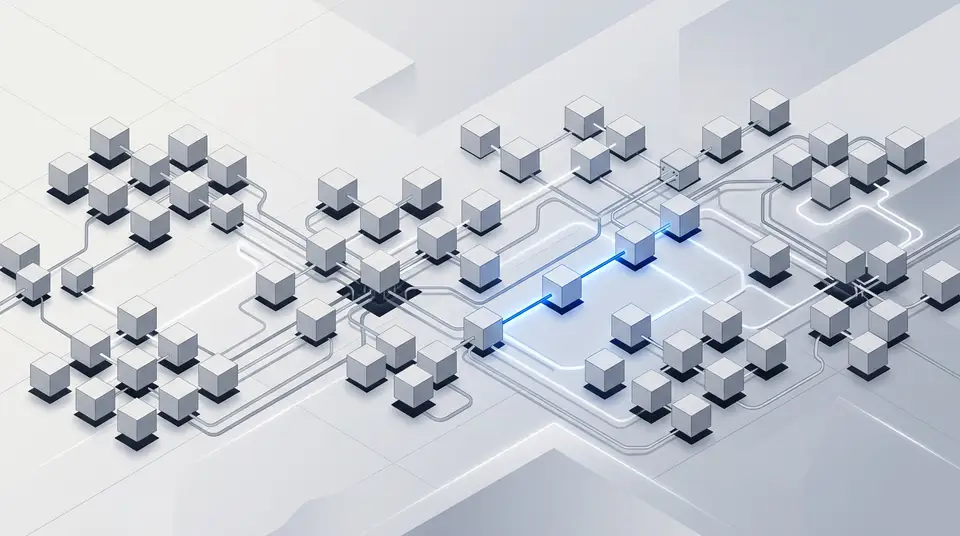
Imagine a city built from independent blocks. One block handles payments, another handles search, another handles content, and each block has roads that let them exchange information safely.
That is the idea behind MACH in MACH Architecture. You split responsibilities into clear parts, then connect those parts through stable interfaces and reliable operations practices.
What MACH stands for
M: Microservices
Microservices means splitting a large application into smaller services, where each service owns a specific business capability.
A useful way to think about this is bounded context ownership. One team owns pricing, another owns checkout, another owns catalog. Teams can ship changes without editing one giant codebase every time.
A: API-first
API-first means each service publishes a clear contract before other systems depend on it.
That contract explains what data comes in, what data comes out, and what errors can happen. It can use REST, GraphQL, or events, but the key point is consistency. Other teams should integrate with confidence instead of guessing behavior.
C: Cloud-native
Cloud-native is about how software runs and recovers in real production environments. It includes automated deployments, scalable infrastructure, monitoring, and resilience patterns.
In practical terms, teams usually rely on CI/CD and clear reliability targets. The goal is not just to host code in the cloud, but to operate systems that can handle demand spikes and failures without prolonged downtime.
H: Headless
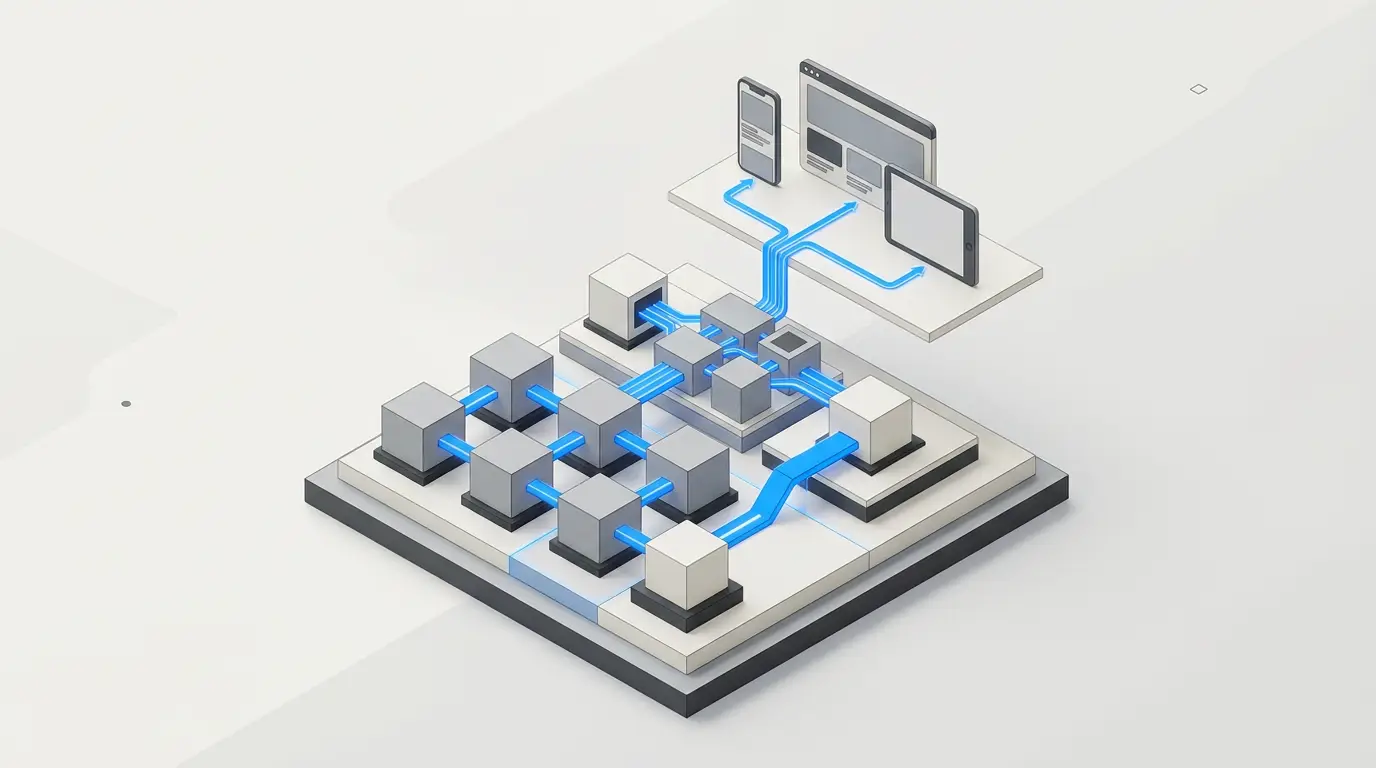
Headless means separating the backend system that stores content or commerce logic from the frontend system that presents experiences to users.
The same product or content data can then power a website, mobile app, in-store screen, or partner channel through APIs. This is useful when organizations need many channels with consistent business rules.
Why people choose MACH
Use the table below to scan the most common reasons teams move toward MACH.
| Reason | What improves |
|---|---|
| Faster team autonomy | Teams ship within their domain instead of waiting for one shared release train. |
| Better scaling precision | You scale hotspots (for example search during peak traffic) instead of scaling everything. |
| Channel flexibility | The same backend capabilities can support web, mobile, and partner experiences. |
| Vendor optionality | Clear interfaces can reduce lock-in and make controlled replacement possible over time. |
What MACH does not solve automatically
MACH is not a shortcut. It can fail when teams underestimate coordination and operations work.
- Not instant agility: You still need product alignment, architecture governance, and disciplined team ownership.
- Not lower complexity by default: Complexity moves from one large codebase into integration, contracts, and runtime operations.
- Not guaranteed cost reduction: More services and tools can increase platform spending if boundaries are unclear.
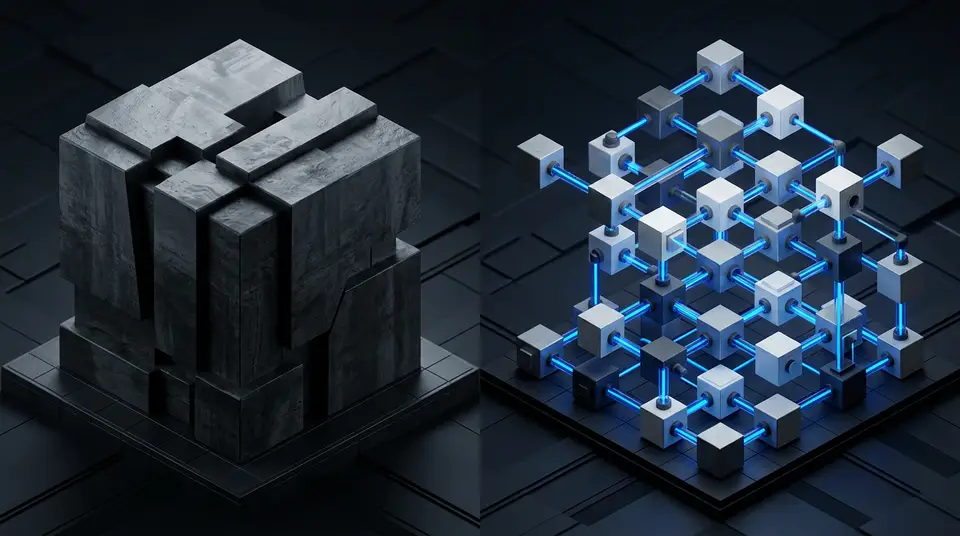
- Not immunity from coupling: Without contract discipline, you can create a distributed monolith that is harder to operate than either model alone.
ELI5 summary for decision-makers
If you explain MACH to a non-technical stakeholder, a practical version is this.
Instead of one large system that everyone must change together, you run a set of smaller systems that can change independently, as long as they follow shared interface rules and reliability standards.
That gives speed and flexibility at scale, but only when your organization is ready to invest in ownership, integration quality, and production operations.
When this approach fits best
MACH tends to fit when multiple teams ship frequently, channels keep expanding, and one release train has become a bottleneck.
If your product is early, your team is small, and your domain changes are still tightly coupled, a monolith can still be the better operating model for now. The goal is not to choose the trend, but to choose the architecture whose trade-offs match your business reality.